
Table of Contents
Stair rise and run are the two most important measurements that determine how safe, comfortable, and code-compliant your staircase will be. The most comfortable stair rule is a 7-inch riser height and 11-inch tread depth, a standard widely used in homes across the US for smooth, natural walking.
Stair builders, DIY homeowners, and remodelers all rely on correct measurements because even a ½-inch mistake can make stairs uncomfortable, unsafe, or fail inspection.
This guide explains everything: rise, run, stair formulas, stringer layout, standard stair height, building code requirements, and answers to the most common stair questions.
What Are Stair Rise and Run?
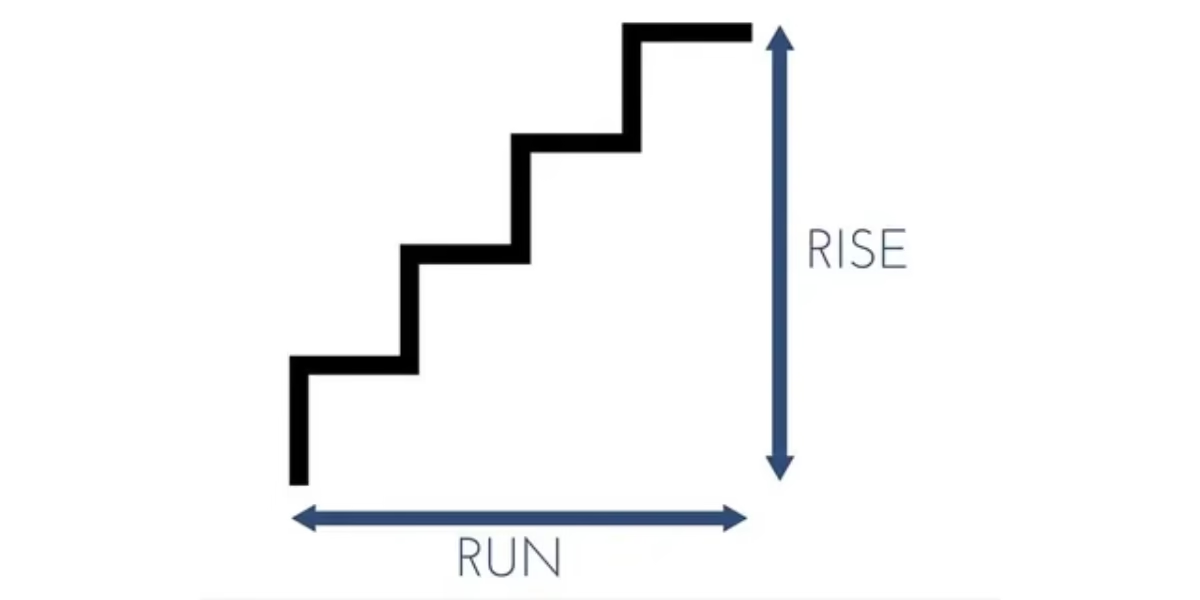
- Stair Rise = the vertical height of each step
- Stair Run (Tread Depth) = the horizontal depth of each step
Good stairs feel natural. Bad stairs feel steep, tiring, or unsafe.
Building codes (IRC) and comfort standards both determine how high and deep each step should be.
Comfortable Stair Rise & Run
The most comfortable stair dimensions are
- Riser (Rise): 7 inches
- Tread (Run): 11 inches
This combination matches the natural angle of walking and prevents tripping, especially for older adults and children.
Standard Stair Dimensions
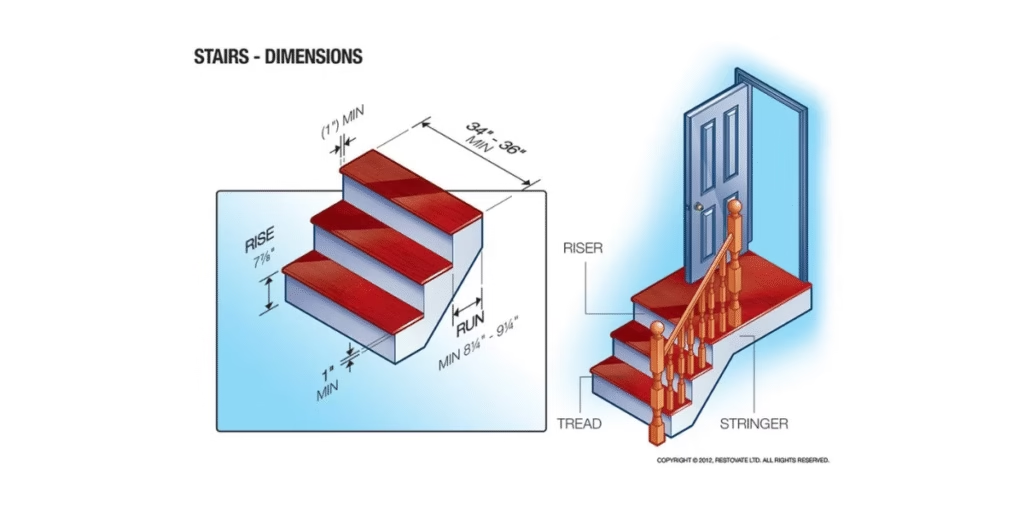
Below is a quick look at the dimensions of a standard staircase in most US homes:
| Stair Component | Code Requirement (IRC) | Ideal Comfort Measurement |
| Standard Stair Height (riser) | Max 7.75″ | 7″ |
| Stair Tread Depth Standard | Min 10″ | 11″ |
| Stair Angle | 30°–38° | 32°–35° |
| Nosing Overhang | 0.75″–1.25″ | 1″ |
| Headroom Clearance | Min 6 ft 8 in | 7 ft |
These numbers keep stairs both code-approved and comfortable for daily use.
How to Calculate Stair Rise and Run
Most builders use the famous Blondel formula:
2R + T = 24–25 inches
Where
- R = Riser height
- T = Tread depth/run
Example using comfortable measurements:
2(7) + 11 = 25 → Perfect
How to Find the Number of Steps
- Measure total rise (floor to floor).
- Divide by 7 inches.
Example:
Total Rise = 112″
112 ÷ 7 = 16 steps
This gives you the number of risers.
Stair Stringer Calculator
To lay out a stair stringer:
- Choose your riser height (7 inches is ideal).
- Choose your run depth (11 inches is ideal).
- Use the 2R+T formula to confirm comfort.
- Mark each step on the stringer using a square.
- Cut the notches.
A stair stringer calculator automatically computes:
- number of steps
- total run
- angle
- stringer length
Great for DIY home improvement projects.
Maximum Stair Riser Height
According to the IRC building code:
- Maximum riser height: 7.75 inches
- No riser may differ by more than 3/8 inch
Too-high risers make stairs tiring and steep.
Minimum Stair Tread Depth Standard
IRC requires:
- Minimum tread depth: 10 inches
- No variation more than 3/8 inch
Deeper treads (like 11 inches) feel much safer.
Code vs Comfort: What Homeowners Prefer
Code-compliant stairs:
- 7.75″ rise
- 10″ tread
Comfortable stairs:
- 7″ rise
- 11″ tread
Comfortable stairs are easier for seniors, kids, and daily use.
Metric vs Imperial Stair Measurements
For international users:
- 7-inch rise = 178 mm
- 11-inch run = 279 mm
Common metric stair ranges:
- Riser: 160–190 mm
- Tread: 250–300 mm
Final Thoughts
Understanding the concepts of stair rise and run is essential for building safe, comfortable, and code-compliant stairs. Whether you are renovating your home, creating a deck, or designing a new staircase, correct measurements prevent accidents and make daily movement easier.
If you need help designing a staircase or want a customized layout with your exact ceiling height, I can also create:
People also asked.
1. What is the most comfortable stair rise and run?
7-inch rise and 11-inch run.
2. What is the 18 rule for stairs?
Rise + Run = 17–18 inches (used in Europe).
3. How many steps do you need for a 10-foot ceiling?
10 ft. = 120 inches total rise
120 ÷ 7 = 17 steps
4. What is the best angle for indoor stairs?
Between 32° and 35°.
5. Why do my stairs feel uncomfortable?
Common causes:
too-tall risers
shallow treads
inconsistent step heights
incorrect nosing
6. What’s the difference between a riser and a tread?
Riser = vertical board
Tread = horizontal step
2 thoughts on “Stair Rise and Run: Complete Guide, Formula & Standard Dimensions for Safe, Comfortable Stairs”