
Table of Contents
Building a basement bathroom adds comfort, value, and functionality to your home, but only if it follows proper basement bathroom plumbing codes. Unlike main-floor bathrooms, basement systems are more complex because the plumbing is located below the main drain, inside or under the concrete slab, and must meet strict structural and safety requirements.
This guide covers all legal requirements, code dimensions, rough-in layouts, pipe slopes, inspections, and DWV rules you need to build a fully approved basement bathroom.
Why Basement Bathroom Plumbing Has Stricter Codes
Basement plumbing sits below grade, which means:
- Water must drain by gravity or a proper slope
- Pipe penetrations go through concrete
- Drain, vent, and waste lines must follow the exact pitch
- Mistakes become very expensive once the concrete slab is sealed
- Improper venting can cause sewer gas leaks
Codes like the International Plumbing Code (IPC) and Uniform Plumbing Code (UPC) mandate specific rules for rough-ins, inspections, and fixture spacing to avoid these issues.
IPC vs. UPC: Which Plumbing Code Applies?
Every state or city follows either the IPC or UPC, and understanding the differences helps you plan the layout correctly.
IPC (International Plumbing Code)
- More flexible venting options
- Allows combination wet venting
- Requires fewer cleanouts in some layouts
UPC (Uniform Plumbing Code)
- Stricter venting rules
- Larger minimum vent sizes
- More conservative fixture spacing
Before starting, check your local authority (AHJ) to confirm which code applies.
Minimum Fixture Clearances
To pass inspection, your fixtures must meet these spacing standards:
- Toilet
- 15 inches from the centerline to any wall (IPC)
- 30 inches total width
- 21–24 inches front clearance
- Shower
- Minimum 30″ × 30″ interior
- Drain centered or according to the layout diagram
- Sink
- 4 inches minimum from sidewalls
- 20–24 inches front clearance
These clearances ensure proper function and safety in tight basement layouts.
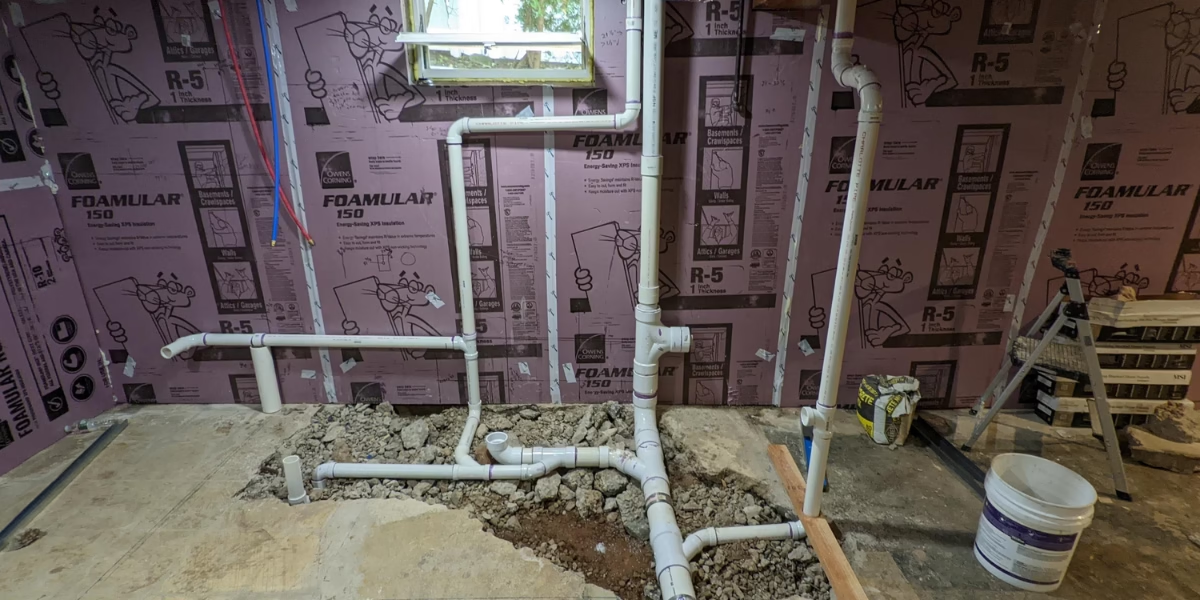
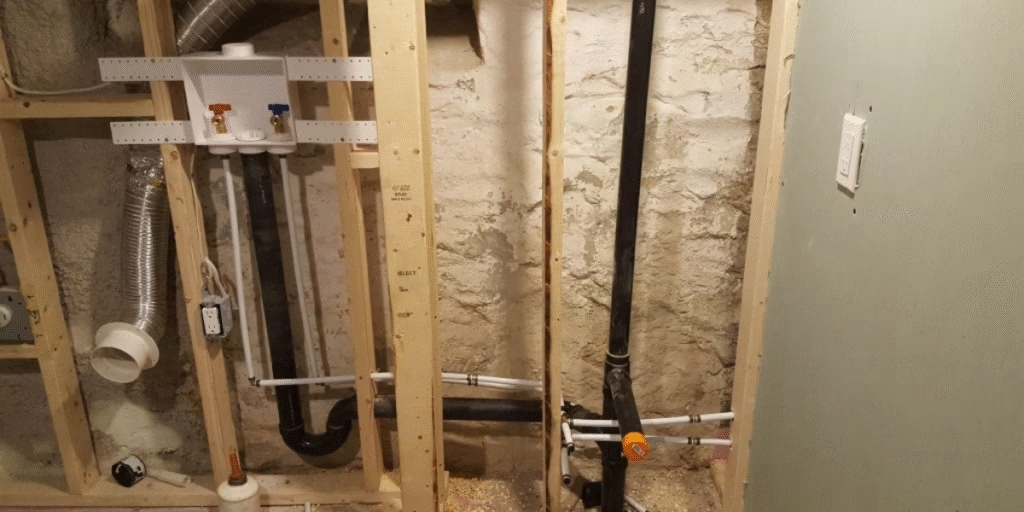
Basement Rough-In Plumbing
A rough-in includes:
- Toilet drain
- Shower/tub drain
- Bathroom sink
- Vent connections
- Waste line plumbing
- Water supply lines
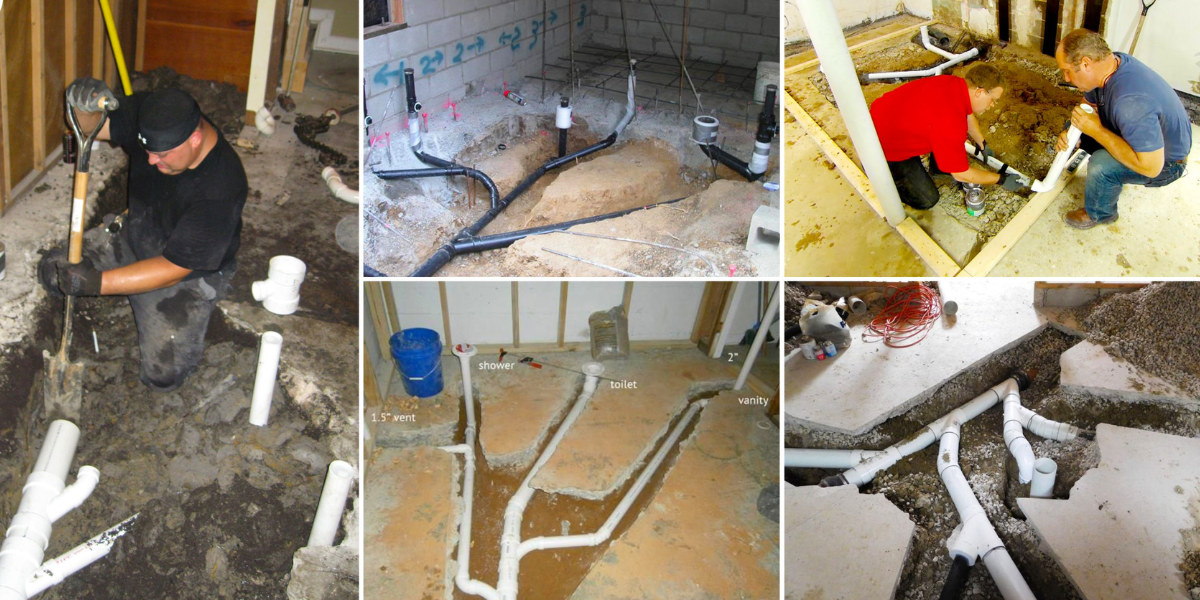
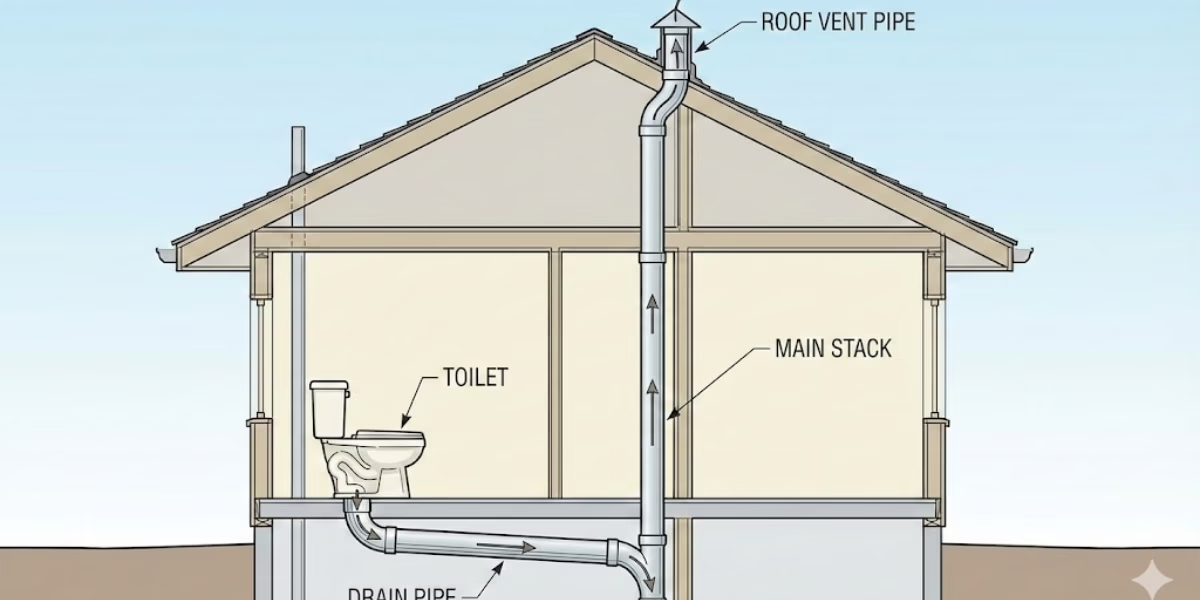
Use diagrams such as
- plumbing schematic for a house
- plumbing rough-in slab diagrams
- second floor bathroom plumbing diagram (for vent stack reference)
- back-to-back bathroom plumbing diagram
These help visualize proper placement before opening or cutting concrete.
Drain Pipe Pitch: The Most Important Basement Requirement
Basement bathroom drains must follow:
¼ inch per foot slope (1/4″ per foot)
This pitch ensures wastewater flows smoothly without leaving solids behind.
Codes require:
- Proper slope from every fixture
- No flat spots in the slab
- Slope maintained inside trenches
- Under-slab pipe supported with pipe bedding sand
If the slope is lower than code, inspectors will reject the installation.
Pipe Sizes & DWV Requirements
Common DWV sizes:
- 3–4 inch toilet drain
- 2-inch shower drain pipe
- 1.5–2 inch sink drain
- 2–3 inch vent stack, depending on code
Use a DWV sizing chart to confirm the exact fixture-to-vent distances.
Fixture Unit Calculations
Each bathroom fixture has a “fixture unit” value.
You must calculate the total load on the main drain to ensure the pipe diameter is legal.
Plumbing Vent Rules:
Basement fixtures need proper airflow to stop siphoning and sewer gas smells.
Code-approved venting includes:
- Vertical stack vent
- Horizontal vents tying into the main stack
- Auxiliary vents for long trap arms
- Re-venting when fixture distance exceeds limits
Each trap arm has a maximum length before it must connect to a vent.
Penetrations Through Concrete
Basement bathrooms require special handling where pipes pass through floors or walls.
Code requirements include:
- Pressure-treated lumber plates where framing meets concrete
- Slab penetration firestopping around pipe holes
- Under-slab pipe bedding sand to protect PVC
- Cleanout accessibility above slab level
- Protecting the structural integrity of the slab
Improper penetration sealing can cause moisture problems or code violations.
Sewer Cleanout Placement
A cleanout must be:
- Accessible
- Located within a certain distance of fixtures
- Often required near the main stack or building drain
Basement bathrooms commonly need an additional cleanout depending on the layout.
Water Supply Line Codes for Basements
Supply lines must follow:
- Hot line on the left, cold line on the right
- A shutoff valve for each fixture
- Insulated pipes if the basement is cold
- Pressure testing before final inspection
The bathroom water lines must remain accessible during inspection.
Inspection Checklist for Basement Bathroom Plumbing
Before concrete is poured back, inspectors verify:
Drain Layout
- Proper slope
- Correct pipe sizes
- Code-approved fittings
- Vent connection distances
Under-Slab Bedding
- Sand layer for pipe support
- No sharp rocks in backfill
Water Pressure Test
- Typically 50–80 PSI test
Venting and Fixture Placement
- Traps correctly aligned
- Vent take-offs are sized properly
Sewer Cleanout
- Accessible and positioned correctly
Documents you may need:
- Permitting and inspection checklist
- Plumbing drawings
- Rough-in diagrams
Rough-In Visualization: Using Diagrams for Approval
Common diagrams used to visualize the system:
- kitchen sink drain plumbing diagram
- shower drain pipe diagram
- home drain diagram
- plumbing toilet drain pipe
These diagrams help confirm the direction of DWV flow and prevent failed inspections.
Final Steps After Inspection Approval
- Once the inspector approves your rough-in:
- Backfill trenches with compacted sand
- Install pressure-treated bottom plates
- Frame shower walls
- Install waterproofing
- Set toilet flange elevation
- Connect fixtures according to the diagram
This ensures the bathroom is fully compliant and ready for finishing.
Conclusion
A basement bathroom must follow precise plumbing codes to pass inspection and avoid costly future repairs. By following IPC/UPC guidelines, using proper slopes, spacing fixtures legally, and ensuring correct venting and pipe sizes, you can build a safe and fully approved basement bathroom.
When layout, diagrams, or vent distances are confusing, always follow
- DWV sizing chart
- Fixture unit calculations
- Drain pitch rules (¼ inch per foot)
- Local permitting requirements
Your basement bathroom will only be as strong as the planning behind it, and now you have a complete code-focused guide to do it right.
5 thoughts on “What Basement Bathroom Plumbing Codes Must You Follow Before Building?”