Why Is Basement Bathroom Plumbing Venting Essential for Preventing Odors?

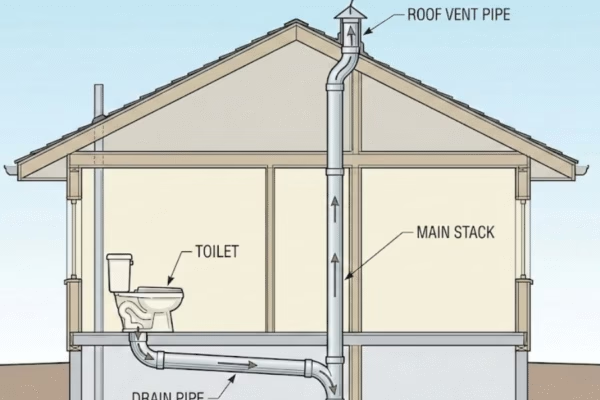
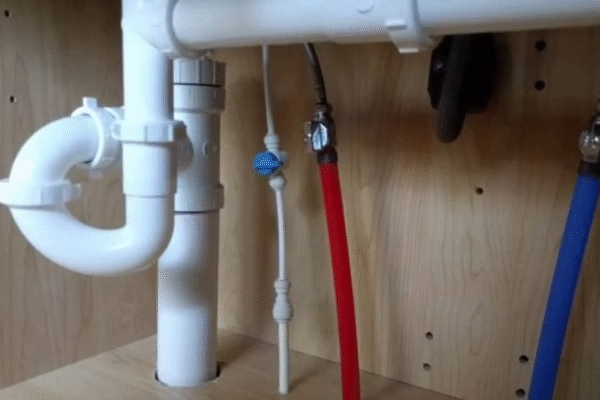
Proper basement bathroom plumbing venting is critical for safe, efficient drainage. Without adequate venting, fixtures can siphon, drains flow slowly, and sewer gases can enter your living space. Basements present extra challenges because drains are below grade, often requiring longer trap arms, auxiliary vents, or air admittance valves (AAVs). This guide covers venting techniques, hardware,…

Basement Bathroom Plumbing Venting

How Does a Basement Bathroom Sewage Ejector Pump Handle Waste Efficiently?

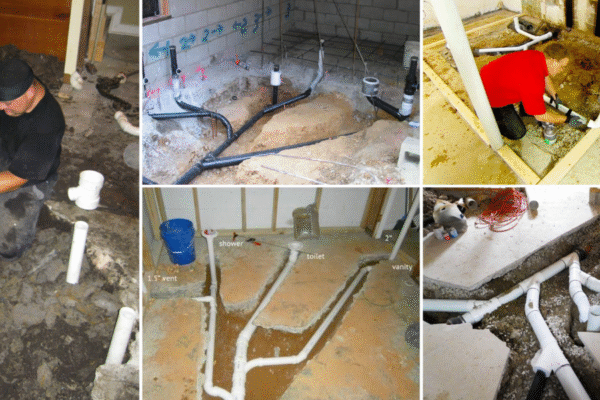
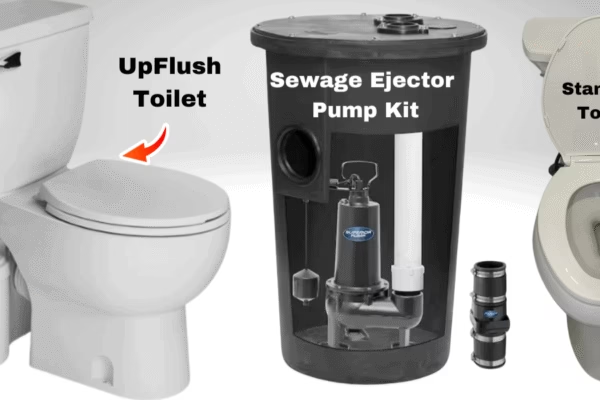
A basement bathroom sewage ejector pump is the most powerful and permanent solution for installing a full bathroom below grade. Unlike macerating upflush systems, an ejector pump uses a sealed sewage basin buried beneath the concrete slab to handle waste from: This guide covers how sewage ejector systems work, how to install them, code requirements,…

Basement Bathroom Sewage Ejector Pump

Why Is a Basement Bathroom Upflush Toilet a Smart Choice for Low-Level Spaces?

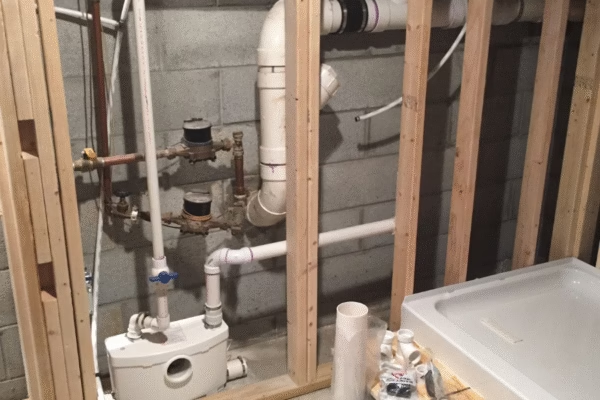
Installing a bathroom in a basement can be expensive when you have to break concrete, dig trenches, and rebuild drains. But a basement bathroom upflush toilet makes the entire process faster, cheaper, and easier without touching the concrete slab. This guide explains how upflush toilets work, their costs, installation steps, pros and cons, and how…

Basement Bathroom Upflush Toilet

How Do You Know It’s Time for Basement Bathroom Plumbing Repair?

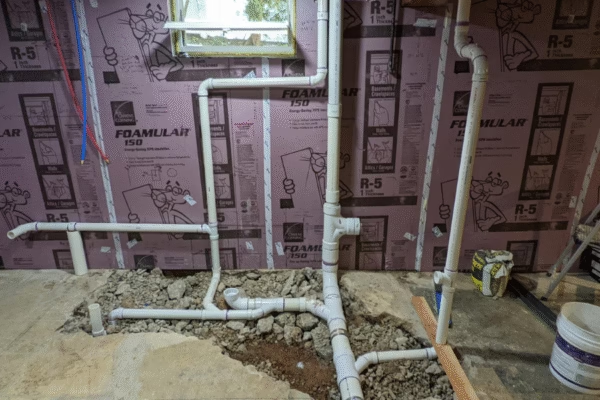
Basement bathroom Plumbing repair often suffer from hidden leaks, broken pipes, clogged drains, or outdated plumbing buried inside concrete. Repairing these systems requires a combination of careful demolition, correct fittings, code-approved transitions, and knowing how your drain-waste-vent (DWV) system connects to the main stack. This guide covers everything you need for basement bathroom plumbing repair,…

Basement Bathroom Plumbing Repair

What Basement Bathroom Plumbing Codes Must You Follow Before Building?

Building a basement bathroom adds comfort, value, and functionality to your home, but only if it follows proper basement bathroom plumbing codes. Unlike main-floor bathrooms, basement systems are more complex because the plumbing is located below the main drain, inside or under the concrete slab, and must meet strict structural and safety requirements. This guide…

Basement Bathroom Plumbing Codes

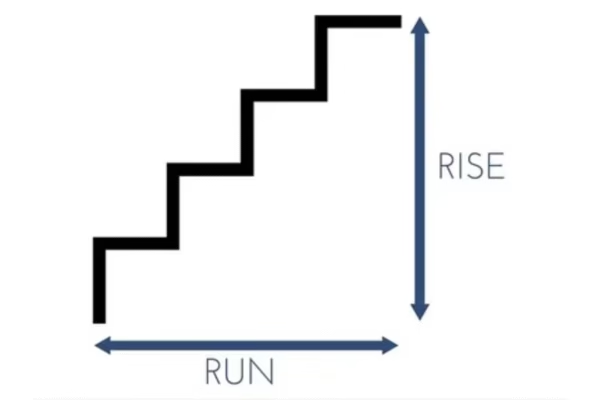
Stair Rise and Run: Complete Guide, Formula & Standard Dimensions for Safe, Comfortable Stairs

Stair rise and run are the two most important measurements that determine how safe, comfortable, and code-compliant your staircase will be. The most comfortable stair rule is a 7-inch riser height and 11-inch tread depth, a standard widely used in homes across the US for smooth, natural walking. Stair builders, DIY homeowners, and remodelers all…

Stair Rise and Run