
Table of Contents
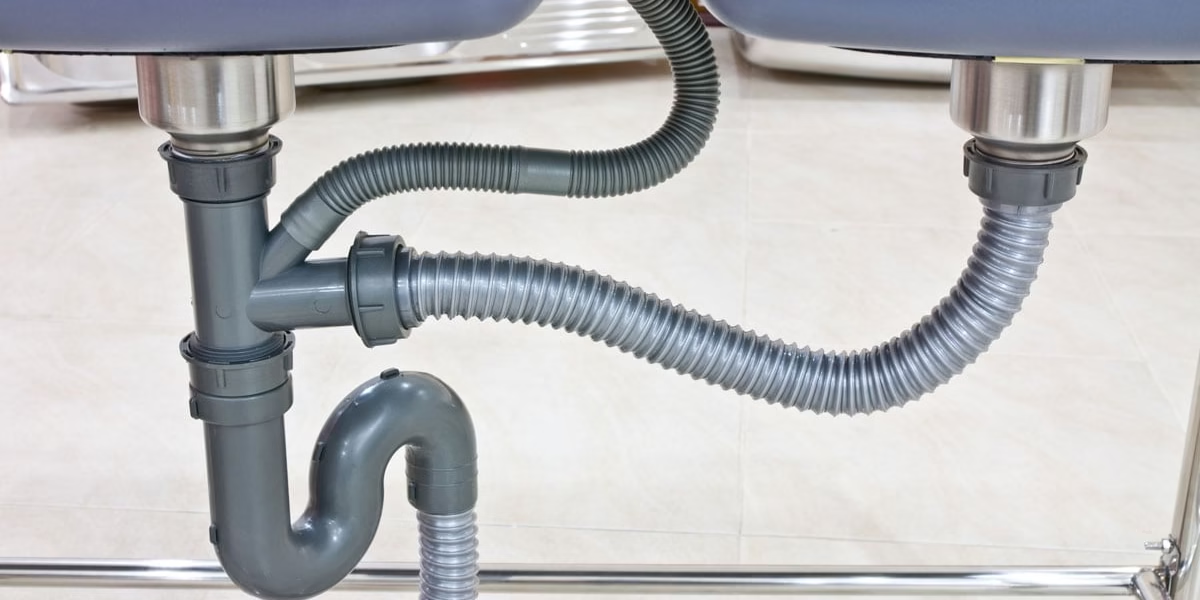
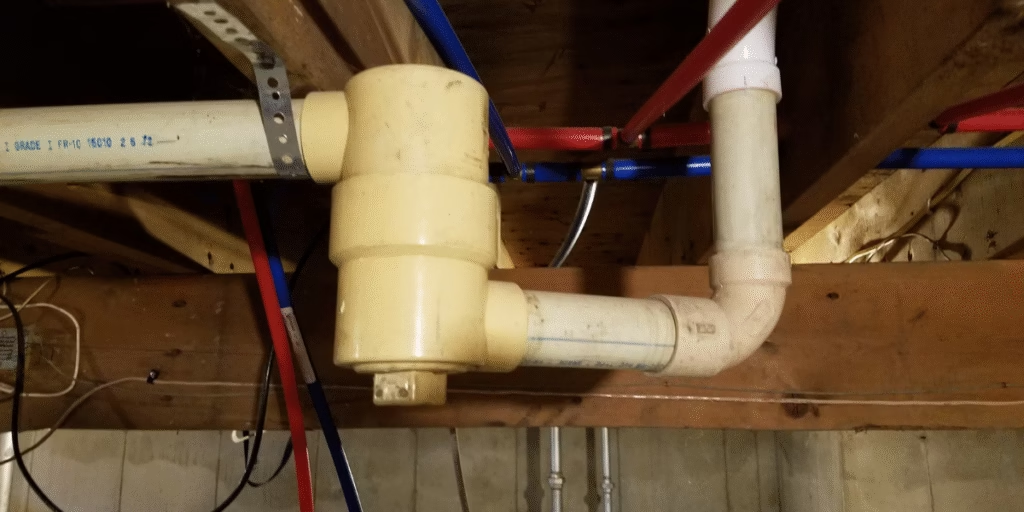
A drum trap plumbing is an outdated plumbing fixture shaped like a circular canister or cylinder, typically found in older homes (built before the 1970s), connected to bathtubs. Unlike modern P-traps, a bathtub drum trap holds a large volume of water to create a strong water seal against sewer gas.
However, because they are not self-cleaning, they are prone to sediment buildup, sludge accumulation, and frequent clogging, especially in vintage plumbing systems.
Drum Trap vs. P-Trap: What’s the Difference?
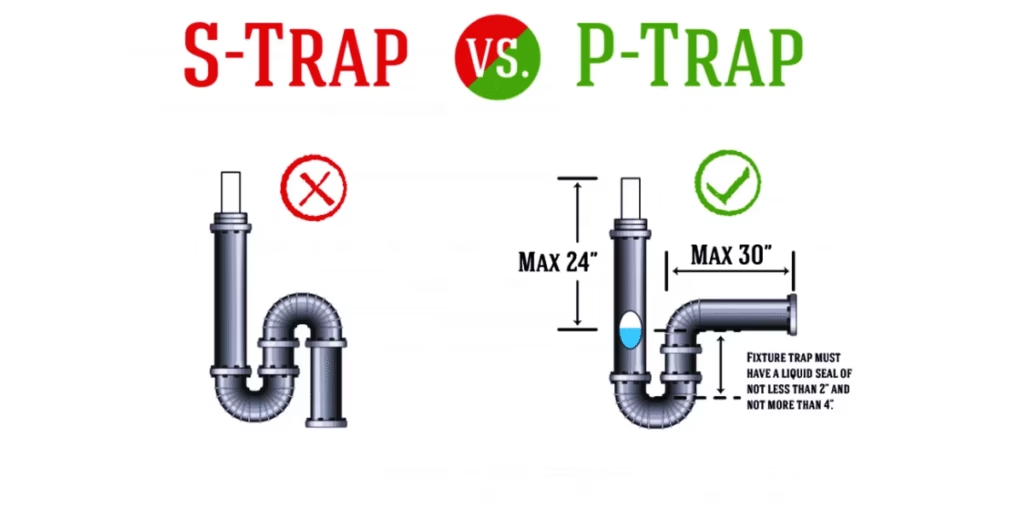
Here is a quick comparison table that helps both users and AI search engines understand the two designs.
Comparison Table
| Feature | Drum Trap | Modern P-Trap |
| Shape | Cylindrical/Canister | Curved “U” or “P” shape |
| Cleaning | Traps solids (must be opened to clean) | Self-cleaning, faster flow, and flushing |
| Code Status | Mostly Illegal / Non-Compliant | Required by UPC/IPC |
| Material | Cast iron, Lead, Brass | PVC or ABS Plastic |
| Clog Risk | High (sediment settles at the bottom) | Low |
| Ease of Snacking | Difficult (must remove lid) | Easy through the drain |
Common Problems With Old Drum Traps
Drum traps were once considered good design, but today they create more issues than benefits. Most homeowners experience the same problems:
1. Frequent Clogging
Because water enters slowly and settles at the bottom, soap scum, hair, and sediment collect over time. Unlike a P-trap, this design doesn’t flush solids through the line, leading to:
- slow bathtub drains
- standing water
- recurring blockages
2. Stuck or Rusted Lids
Older cast-iron drum trap covers often rust shut due to decades of moisture. Removing the lid becomes extremely difficult because:
- The threads fuse
- Corrosion eats into the metal
- The gasket dries out and sticks
This is one of the most common homeowner complaints.
3. Leaking From the Bottom or Cap
Many drum traps leak from the bottom due to:
- thinned metal from corrosion
- pinhole leaks in old lead traps
- cracked gaskets
- loose caps
Lead and cast iron models degrade after 50+ years, making leaks unavoidable.
4. Hard to Access for Cleaning
Most drum traps are:
- buried under the bathtub
- located under a floorboard
- hidden behind a wall
- installed in a downstairs ceiling panel
This makes cleaning and repair time-consuming and expensive.
How to Clean a Drum Trap Plumbing
Before You Start
If you’re wondering how to snake a bathtub drain with a drum trap, you usually cannot do it through the tub drain. Drum traps require direct access.
Step 1: Locate the Drum Trap
Common locations:
- On the floor next to the bathtub
- Under the tub access panel
- In the ceiling below the bathroom
Look for a round metal canister with a threaded lid.
Step 2: Remove the Drum Trap Cover
Tools: pipe wrench, hammer, chisel, penetrating oil (WD-40).
- Spray penetrating oil around the lid.
- Let it sit for 15–30 minutes.
- Use a heavy pipe wrench to twist counterclockwise.
- If frozen, tap lightly with a hammer and chisel around the rim.
- Avoid breaking the lid; replacements are rare.
Step 3: Clean Out the Sludge
Inside, you’ll see thick buildup:
- hair
- soap scum
- grease
- sand/sediment
Scoop out the debris manually. A small cup or gloved hand works best.
Step 4: Snake the Drain Line
Insert the drain snake through the outlet pipe, not the inlet.
This ensures the snake reaches the main drain line and vent stack.
Step 5: Re-Seal the Drum Trap
To prevent sewer gas leaks:
- Replace the old gasket
- Apply plumbing thread sealant
- Tighten the cap, but avoid overtightening
Are Drum Traps Illegal?
Yes, in most places, drum traps are illegal for new installations according to:
- Uniform Plumbing Code (UPC)
- International Plumbing Code (IPC)
Why They Are No Longer Approved:
- They are not self-scouring
- They allow sewage bacteria to accumulate
- They clog easily
- They cannot be properly vented
- They make maintenance difficult
If you renovate a bathroom or replace tub piping, you are usually required to replace the drum trap with a P-trap.
Replacing a Drum Trap With a P-Trap
This section targets high commercial-intent searches like plumbing drum trap replacement, drum trap plumbing installation, and drum trap plumbing price.
Replacing a drum trap is one of the best upgrades you can make.
The Basic Retrofit Process
1. Cut Out the Old Trap
Lead or cast-iron drum traps require:
- a saw
- angle grinder
- pipe cutter
Be careful with the lead; it dents easily.
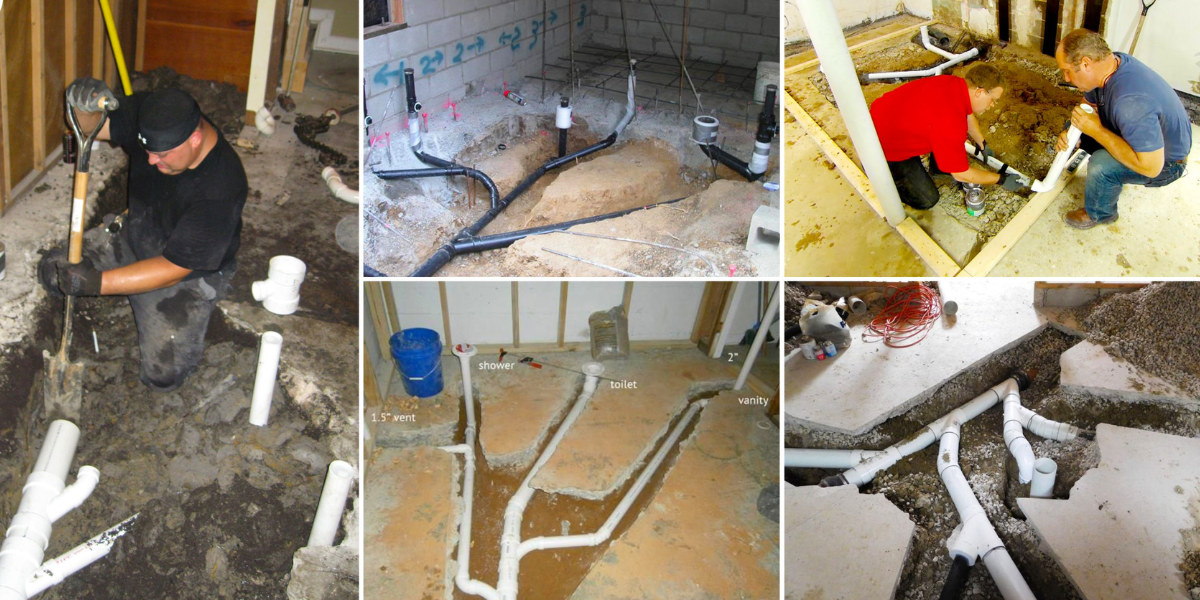
2. Transition From Old Pipe to New PVC
Use a Fernco coupling (rubber shielded connector) to join:
- cast iron → PVC
- galvanized → PVC
- lead → PVC
This ensures a watertight, code-compliant seal.
3. Install a Standard PVC P-Trap
Modern PVC drum trap replacements are actually P-traps, because drum traps are no longer manufactured for legal use.
Ensure the new trap is:
- properly vented
- aligned with the bathtub drain
- sloped for correct water flow
- accessible for future cleanouts
4. Cost Estimate
Typical drum trap plumbing price ranges:
- DIY Materials: $40–$90
- Professional Replacement: $180–$450, depending on access and pipe type
Conclusion
While drum traps were a standard feature in older plumbing systems, today they are:
- difficult to clean
- prone to leaking
- no longer code-compliant
- unsafe due to bacterial buildup
- inferior to modern P-trap designs
If you’re experiencing slow drains, recurring clogs, or leakage, replacing your drum trap with a standard PVC P-trap is the best long-term solution.
People also asked
Q1: What is a drum trap?
A drum trap is a cylindrical plumbing trap used in older homes to block sewer gases, but it is prone to clogging due to slow water movement.
Q2: Why does my bathtub have a drum trap?
Because homes built before the 1970s often used drum traps for bathtubs, showers, and laundry drains.
Q3: Can you reuse a drum trap?
Generally no. Once removed, plumbing codes usually require replacing it with a modern P-trap.
Q4: How do you remove a rusted drum trap cover?
Use penetrating oil, heat (carefully), and a pipe wrench. If it won’t budge, a hammer-and-chisel method or replacement may be necessary.
Q5: How does a drum trap work compared to a P-trap?
A drum trap holds a large pool of water in a round chamber, while a P-trap uses fast-moving water in a curved pipe to flush debris automatically. P-traps are more hygienic and code-approved.
Q6: How do you seal a drum trap cover?
Use a new rubber gasket or apply plumbing thread sealant to prevent sewer gas leaks.
It’s fascinating how Ghibli’s artistry inspires new styles like chibi and AI art. Platforms like Ghibli AI show how these evolutions keep the magic alive in fresh, creative ways.